
Best Season for Island Hiking: Spring vs Autumn Weather, Crowds, and Trail Conditions
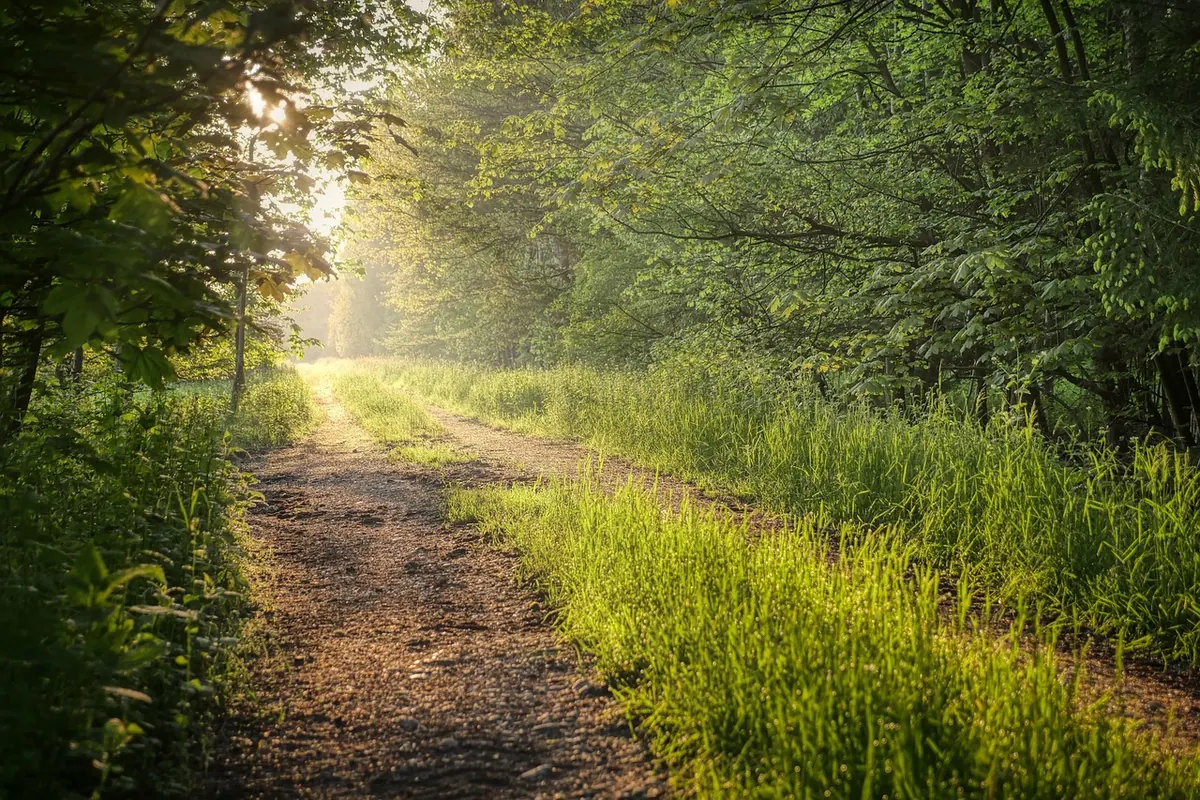
There is a moment in late April when the maquis smells of thyme and warm dust, and another in mid-October when the same path is quiet, the light is low, and the rock still holds the afternoon heat at five o'clock. Both are the best season for island hiking. Neither is right for every island, every route, or every pair of knees. What follows is a straight comparison — temperatures, boats, vegetation, and what the ground actually feels like underfoot — so you can choose a window rather than guess at one.
Spring: Firm Ground, Cold Water, Rising Light
Spring arrives slowly on islands and at different speeds depending on where you are. In Sicily, March can already feel like early summer in the low coastal reserves, while Corsica's high routes stay under snow well into May. That unevenness is useful: it means you can chase the season up and down the map for two months.
The ground is usually at its best now. Winter rain has settled the soil, the scrub is still low, and long stretches of path that will be buried in growth by June are visible and walkable. Wildflowers are the obvious reward, but the practical one is footing — dry, compact, predictable. Streams that vanish in July are still running, which matters on islands where water points are scarce.
Two things catch people out. First, the sea. It lags the air by weeks, so a swim in May is bracing rather than inviting; if swimming is part of your day, spring may disappoint. Second, wind. Spring is gusty in many island groups, and exposed ridges and headlands can feel colder than the forecast suggests. Pack a shell you trust and a warm mid-layer, even for a sunny week in April.
Autumn: Warm Rock, Warm Sea, Shorter Light
Autumn reverses the order of things. The sea has spent all summer absorbing heat, so September and often October give you the warmest swimming of the year. Rock and stone walls hold warmth into the evening. Light turns long and gold, and the fierce glare of July softens into something you can walk in all day.
The trade-off is water falling from the sky rather than sitting in it. The first real storms after a dry summer are the ones to watch: months of dust and loose grit get pushed across the path, and surfaces that were secure in September turn slick in an hour. Rain is not constant — it often arrives as short, heavy bursts — but it changes the day's plan, so build in flexibility.
Daylight shrinks quickly after the equinox. By late October you are looking at sunset close to five in the afternoon, which turns a comfortable eight-hour stage into a tight one. Carry a headlamp even on short routes, start earlier than feels natural, and calculate your day in hours of light rather than kilometres.
Crowds, Ferries and the Booking Question
The crowd curve is easier to predict than the weather. It rises from Easter, peaks in July and August, and drops sharply once schools return. But the ferry timetable moves in its own direction, and on smaller islands it can matter more than the number of people on the trail.
- Late March to early June: growing but generally civilised; some seasonal boats and buses start late in this window.
- Mid-June to early August: the busiest stretch, with the fullest ferries and the hardest accommodation to find at short notice.
- Late August to mid-September: still lively, still warm, notably calmer than August on the paths themselves.
- Late September to October: the sweet spot for many hikers — quiet trails, warm water, and enough services still running.
- November onward: genuinely off-season; some hydrofoil links stop, coastal hotels close, and refuges may shut without much notice.
Two habits save shoulder-season trips. Book the return crossing as well as the outbound, and assume at least one crossing could be cancelled by wind — a buffer day on the way home is cheap insurance. Then check the things that close quietly: mountain refuges, seasonal buses, the little grocery shop that shuts for a fortnight in October. A phone call or a look at the local tourist office page beats arriving to find shutters down.
What Your Boots Meet: Trail Surface by Season
Spring surfaces
Expect firm, readable ground with winter damage on top. Fallen branches, small washouts and slumped sections are common on wooded paths, and north-facing slopes can hold snow patches above roughly 1,500 metres in Corsica, Sicily and the higher Sardinian massifs. Some high routes simply are not open yet, and the local park office will tell you which. Ticks are active, so tuck trousers into socks on grassy traverses.
Autumn surfaces
Expect summer growth and then rain. Paths that were clear in June may be brushed in by August, with spiny plants leaning into the line — long trousers earn their place. After the first storms, polished granite, clay and limestone slabs become genuinely slippery, and descents take longer than your map suggests. In parts of Sardinia and Sicily, autumn overlaps with hunting season; check local notices, keep to marked paths, and consider something high-visibility if you are walking at dawn or dusk.
Island by Island: Three Quick Pairings
Sardinia: April and May for wildflowers and firm ground on the coastal trails, or October for warm swimming and quieter paths. High summer is for early starts and shaded routes only.
Sicily: May and October suit Etna's flanks, the Madonie and the Zingaro reserve. Spring is greener; autumn has the warmer sea and much thinner crowds.
Corsica: the high GR20 is a summer route, full stop — snow and unstable weather rule out most of spring and late autumn. Lower traverses and coastal paths, however, are excellent in late April and again in October.
A Practical Way to Choose
Decide what you want the week to be about, then let the calendar follow.
- Flowers, fresh water, firm footing, cold sea: aim for mid-April to late May.
- Warm swimming, warm rock, few people, shorter days: aim for mid-September to late October.
- Check daylight first: count hours of usable light, then plan distance and ascent.
- Confirm water and shelter: springs are unreliable after a dry summer; refuges and seasonal services have closing dates.
- Pack for both seasons: grippy soles, trekking poles for wet clay and limestone, a shell, a warm layer and a headlamp.
- Leave a spare day: weather and ferry cancellations are the two things that most often reshape an island itinerary.
- Mind the exposure: on small islands, medical help can be a boat ride away. Carry any regular medication, tell someone your route, and take sensible advice from a doctor about heat, sun and any existing condition before committing to long, remote days.
If you can only manage one trip and you want an easy decision: choose spring for the walking itself, and autumn for the whole day around it — the swim after the descent, the long dinner, the empty path at four in the afternoon. Both will send you home planning the other.
Photo: fietzfotos / Pixabay