
Island Wildlife on the Trail: How to Observe Birds, Lizards, and Goats Without Disturbing Them
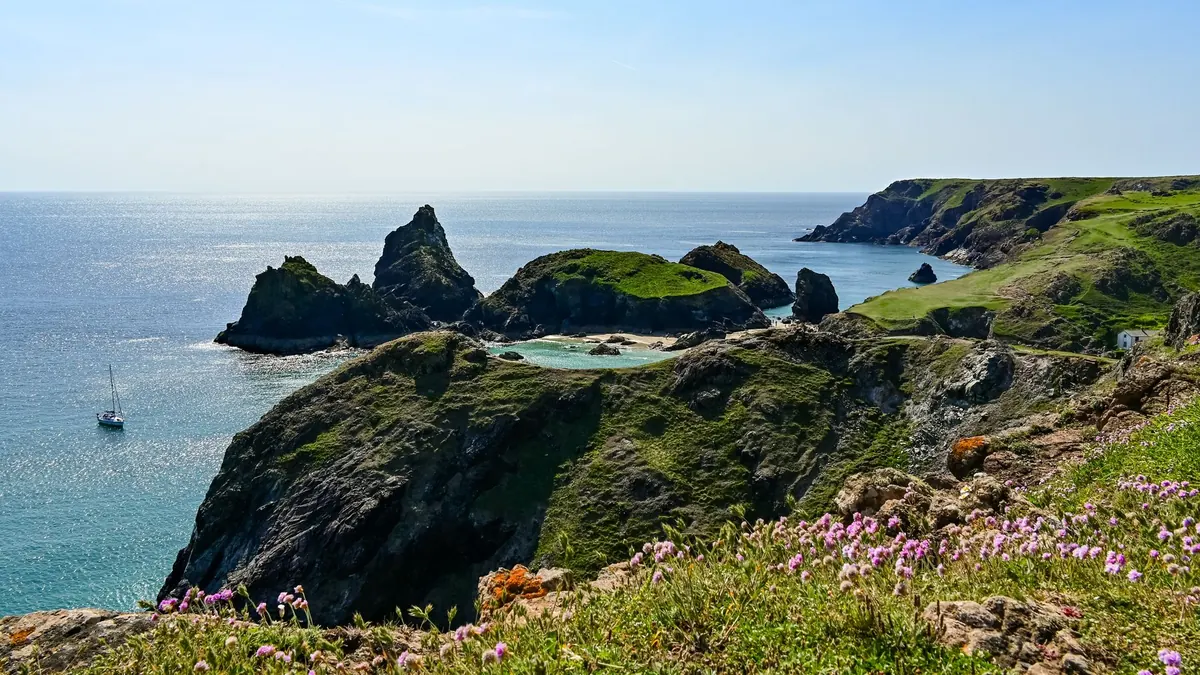
The goat sees you before you see it. It stops mid-chew on a limestone ledge, ears forward, and for a moment the whole slope goes quiet. What happens next is up to you: a slow step back and it goes back to the thistles; two quick strides forward with a phone raised and it clatters off downhill, a kid scrambling behind it. Most wildlife encounters on island trails are that brief, that ordinary, and that easy to get right.
Island animals live closer to the edge
Islands compress everything. A gull colony on one sea stack may hold a large share of a region's breeding birds. A lizard on a dry-stone wall may belong to a population confined to a handful of hectares on a single islet. When a nesting season goes badly, there is no neighbouring valley to move into.
The second difference is habituation. Where there are no foxes or martens, animals often lose the reflex to run and instead hold their ground. Goats barely lift their heads from the path; lizards bask on the warm stone of a viewpoint. They look tame, but they are not. An animal that tolerates you at three metres is an animal whose behaviour you can still wreck, which means your habits matter more, not less.
Distances that work in practice
Any number on a park sign is a starting point, not a guarantee — the animal's behaviour always outranks your plan. Still, these rules of thumb cover most of what you will meet on foot:
- Lizards, insects, small invertebrates: two to three metres. Stop, crouch, let your shadow fall away from the animal and wait. Most lizards resume basking within a minute or two if you stay still.
- Birds resting or feeding on the ground: twenty to thirty metres. If a bird lifts off as you approach, you were already inside its comfort zone — back off and watch from where you are.
- Nests, cliff ledges and colonies: fifty to a hundred metres, and never leave the marked path for a better angle. Binoculars beat footsteps every time.
- Goats, mouflon and other grazers: twenty to thirty metres, doubling when there are young. Never stand between a mother and her kid, or between a herd and the cliff edge.
- Anything hauled out on a beach or rock platform: keep well back and move on quietly. A raised head and a stare means you are already too close.
Read the signals before you get close
Animals tell you what they think of your distance long before they run. A gull's repeated alarm call, the sharp notes that ripple through a flock of finches, the sudden silence of a scrub-covered slope — all of it is information, and all of it means stop.
Watch for the specific signals. A bird that drags a wing along the ground and appears injured is usually leading you away from eggs or chicks; retreat the way you came. A lizard doing push-ups, flicking its tail or flattening itself on the wall has seen your shadow and is deciding what to do about it. A goat that stamps, tosses its head or lowers its horns towards you is not posing for a photograph.
A useful rule: one warning is a request, two warnings is your fault. Take the first one.
Seasons change the rules
Spring: nests, chicks and thin patience
This is the season for the widest margins. Birds are sitting on eggs or feeding young, goats are nursing kids, and a single dog off the lead can clear a whole terrace of nesting birds. Keep voices low near cliffs and scrub, keep dogs close, and if you see a bird circling and calling above one spot, walk on rather than investigate.
Summer: heat, thirst and crowded paths
Midday in July is when island animals are least able to afford an interruption. Lizards, goats and birds all shift towards shade, water and the cooler hours; you should too. Walk early, carry your own water, and if a goat is heading for a trough or a shaded wall, step aside and let it finish. Never pour water or offer food to coax an animal closer.
Autumn: rut, migration and tired travellers
Male goats and mouflon become unpredictable in the rut — give them twice the usual distance and never place yourself between two males. Autumn is also when migrating birds drop onto islands after a long sea crossing. A small bird that lets you approach to a metre on a headland is probably exhausted, not friendly. Watch from a distance and let it rest.
Three common encounters, done well
Birds
Skip audio playback entirely; it pulls territorial birds away from nests and feeding chicks. Avoid repeated pishing and imitation calls in the breeding season. Walk on the inland side of cliff-edge paths and keep moving past colonies instead of stopping for a long scan — a few seconds of quiet passage disturbs far less than a ten-minute linger. Keep food sealed and never feed gulls, however photogenic the ambush.
Lizards
Lizards react to shadow and vibration more than to shape. Approach with the sun behind you if you can, sit down rather than lean over, and let the animal come back out on its own terms. Do not catch, handle or tail-lift them: some species shed their tails, and a lost tail costs energy the animal needs for winter. A photograph from two metres is worth more than a hand-held one.
Goats
These are the encounters most likely to go wrong, because goats are bold and often after salt. Do not feed them, do not block a narrow path, and do not let them lick your pack or hands. Step to the uphill side and let the herd pass, keep children beside you rather than in front, and close any gate you open. If a goat walks towards you, back away calmly — it has learned that walkers mean something edible.
Kit and habits that make the difference
Binoculars do more for your wildlife watching than any amount of creeping. A pair of 8x42s turns a distant speck on a cliff into a bird you can actually watch, and keeps you on the path while you do it. Walk in small groups, talk at normal volume rather than in whispers — sudden shushes carry further than steady conversation — and stop frequently to look and listen.
Leave drones at home; they disturb birds badly and are banned in many reserves. Keep dogs on a short lead wherever livestock or ground-nesting birds are possible, stay on marked trails even when a shortcut looks tempting, and take your food waste with you. None of this is dramatic. It is just the difference between an animal that carries on with its day and one that spends the afternoon recovering from yours.
A short plan for the next walk
- Check the season and adjust your margins before you set off.
- Start early, especially in summer, and walk quietly on the approach to cliffs and scrub.
- Stop at the first warning signal and step back rather than forward.
- Use binoculars for the close-up you actually want.
- Leave gates, stones and nests exactly as you found them.
The best encounters on island trails are rarely the closest ones. They are the ones where a goat keeps grazing, a kestrel returns to its perch, and a lizard goes back to its flat warm stone as though you were never there. Walk slowly, give ground freely, and the island will show you more than you came for.
Photo: Lorna Pauli / Pexels