
Reading Island Weather Windows: Wind, Rain, and Visibility Before You Set Off
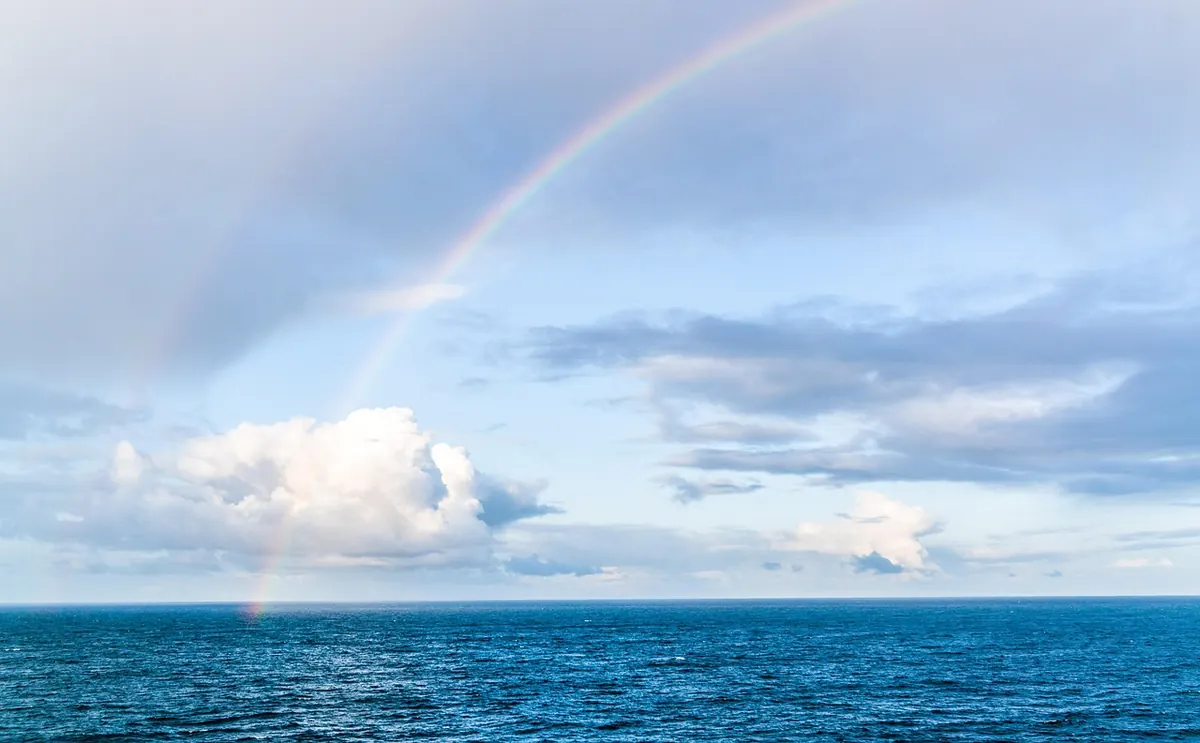
Weather on an island rarely arrives as one tidy package for the whole day. It comes in windows: a calm morning, a breezy headland, a shower that passes in twenty minutes, then a bank of sea mist that changes the shape of the coast. Hikers who read those windows well do not necessarily have better forecasts. They have better habits. They look at the wind before they leave the car, watch the rain rather than merely endure it, and treat visibility as a safety margin that can shrink while they are walking. The aim is not to predict every hour. It is to recognise the next two or three, and to keep a sensible way back.
Start with the wind you can see, not only the wind in the forecast
A forecast grid is a useful starting point, but an island compresses and funnels wind in ways a broad model cannot show. A steady breeze on the sheltered side of a ridge can become a different animal on an exposed shoulder. The same wind that pushes you along the outward leg will be in your face on the return, when you are tired and the light is flatter. That is why the wind direction matters as much as the wind speed.
Before you set off, spend a few minutes reading what is actually happening around you. Look outside the bay, not just at the water at your feet. Whitecaps building beyond the headland usually mean more wind and swell than the inside of the harbour suggests. Flags, laundry, masthead burgees and the tops of exposed trees tell you about gusts as well as average strength. So does the way spray lifts off the rocks. If the wind is strong enough to make you brace on open ground, it is strong enough to shape your route choice.
- Direction: note where the wind hits your left or right cheek, and check whether it is forecast to shift during your walk.
- Gusts: watch flags and tree crowns; a gusty day is more tiring and more exposed than a steady one.
- Fetch: wind that has crossed a long stretch of open sea brings more swell and spray to headlands.
- Shelter: a lee slope may be calm, but the moment the path turns a corner you can be back in the wind.
On an island, a small change in direction can alter the feel of a trail completely. A westerly may be pleasant on an east-facing path and fierce on the ridge above it. Plan the exposed sections for the calmer part of the window, and keep the wooded or leeward alternatives for the windier hours.
Passing rain or settled rain: read the sky and the ground
Not all rain is a reason to cancel. A passing shower can be a few minutes of noise and wet leaves, followed by clearer air and excellent views. Settled rain is different. It softens the ground, turns granite slabs and clay paths slick, and makes descents slower than the map suggests. On a cool coast, prolonged rain also drains warmth from anyone who stops moving.
Look for the signs of a front rather than a shower. A lowering cloud base, a wind shift, and rain that settles into a steady rhythm often mean the change is not brief. If the rain stops but the wind stays in the same quarter and the cloud remains thick, be cautious about assuming the day has cleared. A shower that passes usually leaves the coast brighter behind it. A rain band can give you a false pause before the next spell.
Use the ground as your second forecast. If small streams are already running across the path, if puddles are filling rather than draining, and if the rock is dark and greasy, your route is telling you something. Shorten the exposed descent. Choose the wider path. Save the ridge for a drier window. A waterproof shell and a warm layer are basic kit, but the better decision is often to adjust the route before the weather makes the choice for you.
Visibility is a safety margin you can watch shrink
Island visibility can change faster than many hikers expect. Sea mist can slide around a headland while the sky overhead stays bright. Low cloud can sit on a ridge and erase the next marker. Haze and glare can flatten the landscape until every cove looks similar. None of this has to be dramatic to matter. A path that is obvious in clear light can become a series of guesses when the next headland disappears.
Pick your landmarks early. Note the shape of the bay behind you, the line of a distant ridge, the position of a lighthouse or a distinctive rock. Check that you can still see the next natural handrail: a fence line, a stream, a clear path edge. If the visibility drops below the point where you can confirm your line, stop and reassess. Do not walk faster to beat the mist. Slow down, use your map and compass, and be honest about whether the route still makes sense.
Visibility is also about time. A short winter day gives you less margin for a slow descent in poor light. Carry a headlamp even on a walk you expect to finish in daylight. If the cloud is down and the path is wet, the safe window may be shorter than the one in your plan.
The island year in weather windows
Spring
Spring often brings bright intervals and sharp showers, with a cold wind that feels stronger on exposed ground. The ground may still be saturated from winter. Treat sunny gaps as invitations to start early, not as proof that the afternoon will stay dry.
Summer
Summer can offer long, stable mornings, but sea breezes build as the land warms. An afternoon headland that was calm at nine can be windy by two. Heat haze and glare reduce visibility in a different way, and convective cloud can bring sudden showers. Start early, carry water, and keep an eye on the sky behind you.
Autumn
Autumn is the season of bigger swings: clear, crisp air after a front, then the next band of rain and wind. Visibility can be superb between systems, which makes it tempting to go high and far. Check the timing of the next change, not just the morning forecast.
Winter
Winter rewards low, quiet walks and punishes late starts. Squalls can arrive quickly, daylight is short, and the consequences of a wet, cold stop are greater. Choose shorter routes with easy retreats, and tell someone your plan.
Set a weather window and a turn-back trigger before you start
A weather window is a simple agreement with yourself: I will walk in these conditions, on this route, until this time or this point. Write it down if that helps. The act of choosing a turn-back trigger before you are tired makes the decision easier later.
- Check the local forecast for wind direction, rain timing and visibility, then compare it with what you can see at the trailhead.
- Choose a route with an early escape and a clear turn-around point: a pass, a junction, a headland, a time.
- Note the last safe place to change your mind before the exposed section begins.
- Carry a shell, a warm layer, water, a map and compass, and a headlamp, even if the sky looks settled.
- Tell someone your route and expected return, and adjust that expectation if the weather shifts.
When to turn back
Turn back when the wind makes you brace on ground that should be easy, when rain has been steady long enough to chill you, when visibility no longer confirms your next marker, or when the path is turning into running water and slick rock. Turn back when you reach your agreed time, even if the summit looks close. A retreat in good order is not a failed hike. It is the plan working.
If you are unsure, ask what the return will feel like in the conditions you now have, not the conditions you started in. The outward leg often flatters the weather. The return tells the truth.
A short check before you lock the car
Before you set off, take five minutes. Face the wind and note its direction. Look for whitecaps outside the bay. Check whether the cloud is lifting or lowering. Pick two landmarks and see how clearly you can still see them. Decide your turn-back time. Then walk with that window in mind, and let the island set the pace.
Photo: Michelle-Maria / Pixabay